3PL Warehouse Operations and Logistics in Australia
This page focuses on 3PL warehouse operations: inbound receiving, organised storage, inventory handling, stock movement, and the warehouse workflows that keep products ready for later fulfilment. It is written for brands evaluating warehouse capacity and distribution support—not as a full order-fulfilment sales page.
For warehousing combined with day-to-day order fulfilment detail, see 3PL warehousing and order fulfillment. For pick, pack and dispatch operations, see 3PL fulfillment services. For a broad overview, see 3PL services.
Using a third-party warehouse can reduce the need to lease and staff your own facility while keeping stock organised for pick, pack and dispatch when orders are ready to leave.
What a 3PL Warehouse Handles
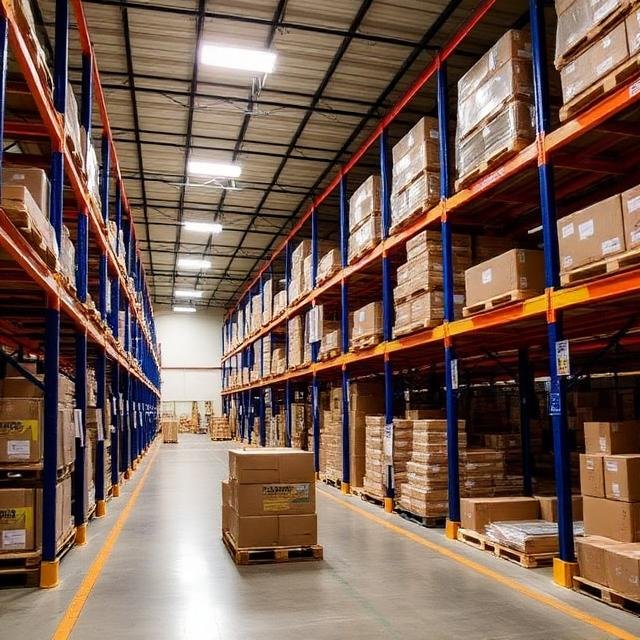
A 3PL warehouse is an outsourced facility where a logistics partner receives, stores and moves your inventory under agreed processes. Instead of leasing commercial space, buying racking and hiring warehouse staff yourself, you use shared or allocated capacity inside an established warehouse operation.
Core warehouse functions
- Stock receipt and inbound handling: Container or carton unloading, quantity checks, barcode identification and inventory intake into the warehouse system.
- Organised storage: Pallet racking, shelf locations and zones sized to how your SKUs move—slow movers deeper in the aisle, faster movers closer to packing areas where practical.
- Inventory handling and stock movement: Put-away, location transfers, cycle counts and controlled movement between storage and staging areas.
- Outbound staging: Preparing warehouse-picked inventory for packing and carrier handover as part of wider fulfilment workflows (covered in more depth on our fulfilment pages).
Inbound Receiving Workflows
Reliable warehouse operations start at the dock. A clear inbound process reduces discrepancies before stock is put away.
- Advance notice: Share expected ASN, carton counts, SKU lists and any special handling notes before the delivery arrives.
- Unload and check: Count cartons or pallets against the delivery paperwork and flag shortages, damage or mislabels early.
- Identify and record: Scan or enter SKUs so inventory is visible in the warehouse system before put-away.
- Put-away: Move stock into assigned locations so pickers can find it later without hunting the floor.
When inbound is disciplined, storage and later picking are faster and less error-prone.
Storage Processes and Facility Types
Different products need different storage environments. A 3PL warehouse may offer several layouts depending on product type and velocity.
| Storage / process type |
Typical use case |
Operational focus |
| Shared warehouse space |
Growing or seasonal brands |
Pay for the pallet or shelf footprint you use rather than leasing an entire facility. |
| Ambient racked storage |
Most retail and ecommerce SKUs |
Standard racking and shelf locations with documented put-away rules. |
| Cold storage |
Temperature-sensitive goods (where available) |
Controlled environments to protect product integrity. |
| Cross-dock staging |
Fast-moving or time-sensitive stock |
Minimal dwell time; goods move from inbound toward outbound transport with limited long-term holding. |
Ask any warehouse partner which storage types they actually operate for your category—do not assume every facility offers cold, bonded or cross-dock services.
Inventory Handling and Stock Movement
Warehouse value is not only “space”—it is controlled movement of stock with visibility.
- Location control: Every unit should sit in a known bin, shelf or pallet location after put-away.
- Visibility: Portal or report access to on-hand quantities, pending receipts and low-stock signals where the system supports it.
- Cycle counting: Periodic counts catch discrepancies before they become customer-facing stockouts.
- Slotting: Placing high-velocity SKUs closer to packing stations shortens travel time during peaks.
Manual spreadsheets struggle as SKU counts grow. Warehouse systems reduce guesswork, but results still depend on disciplined receiving and put-away.
Warehouse Workflows vs Order Fulfilment
It helps to separate two related jobs:
Many brands use one partner for both, but evaluating warehouse process quality first makes fulfilment performance easier to trust.
What to Ask a Warehouse Partner
- How are inbound appointments, ASN checks and discrepancy reports handled?
- How are locations assigned and how often are cycle counts run?
- What storage units are billed (pallet, shelf, cubic metre) and what is included?
- How does the warehouse system connect to your store or ERP?
- What cut-offs apply between receiving stock and making it pickable?
For a broader provider evaluation checklist, see how to compare 3PL providers in Australia.
Frequently Asked Questions
What is the difference between a storage warehouse and a 3PL warehouse?
Basic storage may only hold goods. A 3PL warehouse typically also runs inbound receiving, inventory processes and the warehouse steps that support fulfilment (picking staging, packing handoff and related workflows).
How are warehousing fees usually structured?
Common components include inbound receiving (per pallet or carton), storage (per pallet, shelf or cubic metre per period), and activity fees for picks or handling. Freight is usually separate. Ask for a clear breakdown for your SKU profile—do not rely on a single headline rate.
Can smaller ecommerce brands use shared warehouse space?
Often yes. Shared space can give access to organised racking and warehouse processes without leasing an entire site. Minimums and cut-offs vary by partner, so confirm fit for your volume.
Next step
If you need warehouse receiving, storage and inventory handling in Australia, talk to the OZ Prep Services team about your stock footprint and inbound profile. For integrated storage plus order dispatch, start with 3PL warehousing and order fulfillment, or request a free 3PL quote.